We have had colder than usual weather during the last few weeks. The temps have dropped into the 40’s, which hasn’t happened for some 2 decades locally. Water temps were low enough to kill some species of fish. On this outing we noted 7 juvenile jack sp. 6-9 inches, dead on the bottom, not decomposed. 1 hound fish, partially decomposed, 3 ft. 2 juvenile barracuda, not decomposed, 10-12 inches. There were no manatee observed. That would expected as they seek warmer waters during cold spells. The gulf shrimp have been much more prevalent this year, due to the low temps. We caught some for supper, however, it required braving windchills of 38 degrees. They are typically caught at night by dipnetting, and are frequently accompanied by slender brown eels, blue crabs, and ladyfish.
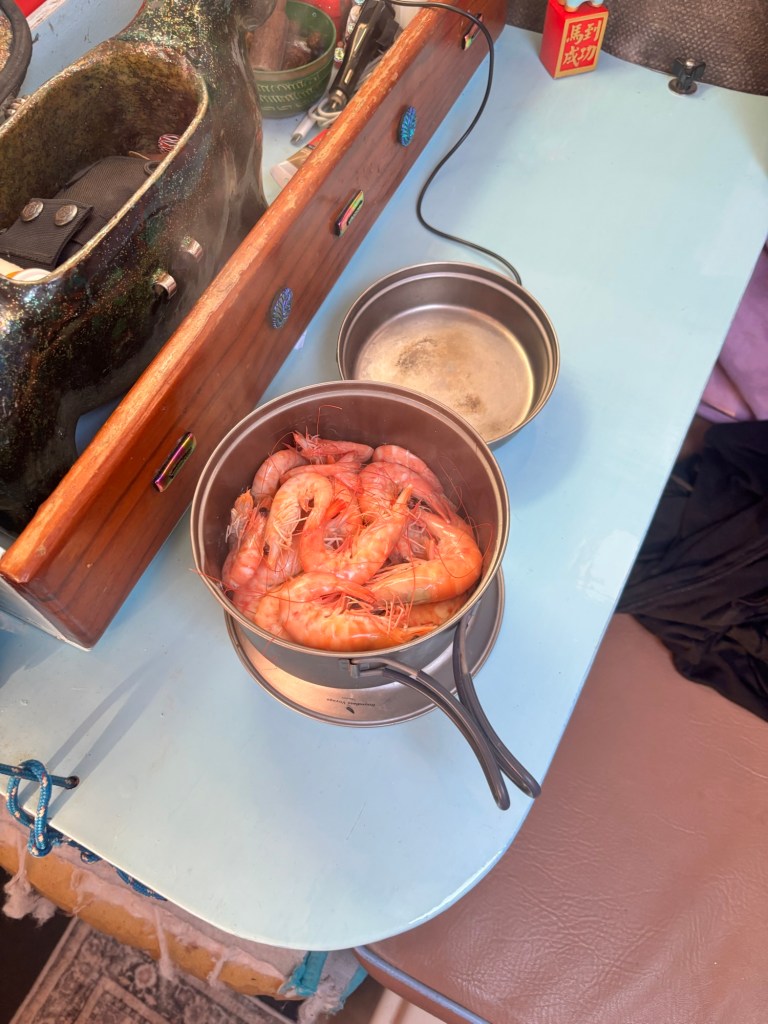
The cold-fronts that provide a tasty pan of peel and eat shrimp, are much shorter in their cyclical duration today. 30 years ago, the winds would take a week to complete a 350 degree compass swing. Now it is typically finished in less than 48 hours. This year it has been one cold front after another, more cycles, and of quicker duration. This is much, much different than the cold fronts of 30 years ago. The winds would swing slowly, often hanging out of the NW for a couple of days, before blowing chilly air through and returning to the balmier Easterly quadrant. In the past 5-6 years we have noticed that this change in pattern has become more pronounced, often with only a minor dip in air temps.
Solar observations: sitting in a sheltered area, the sun feels very strong. Very bright white. UV levels however, appear normal.
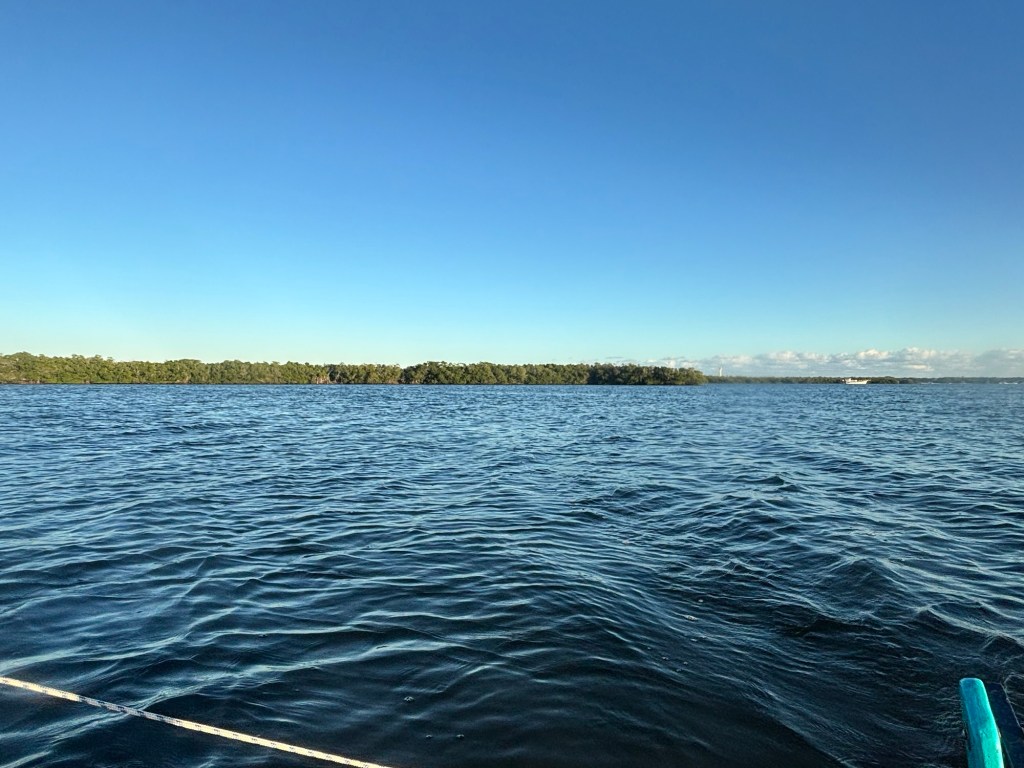
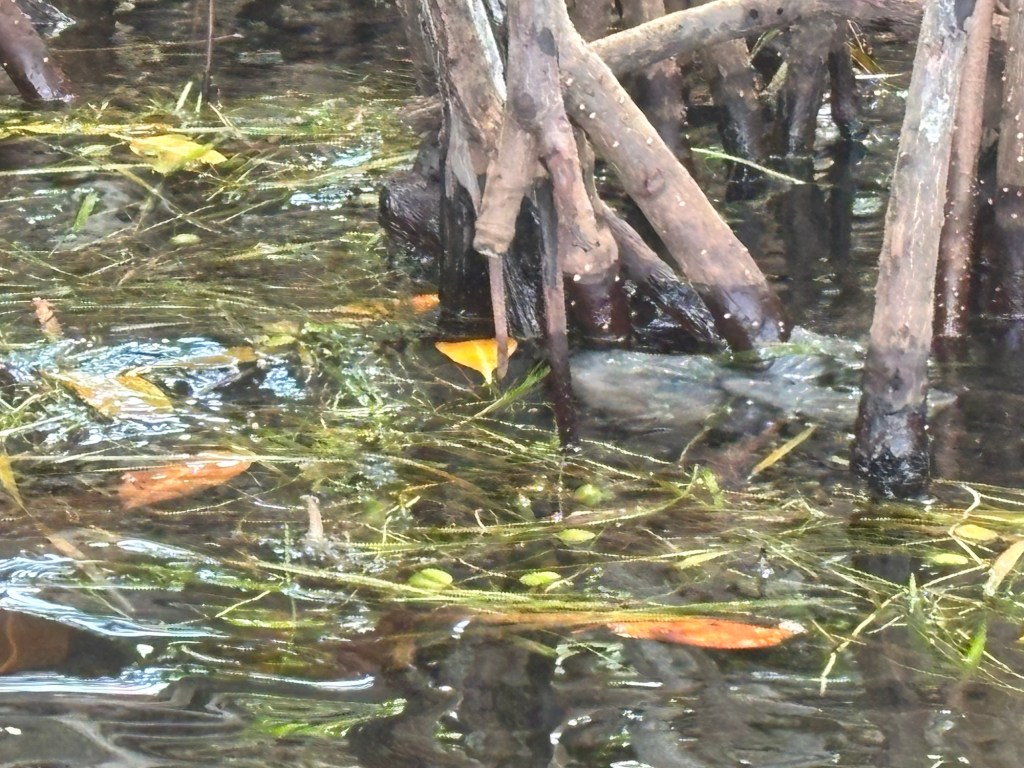
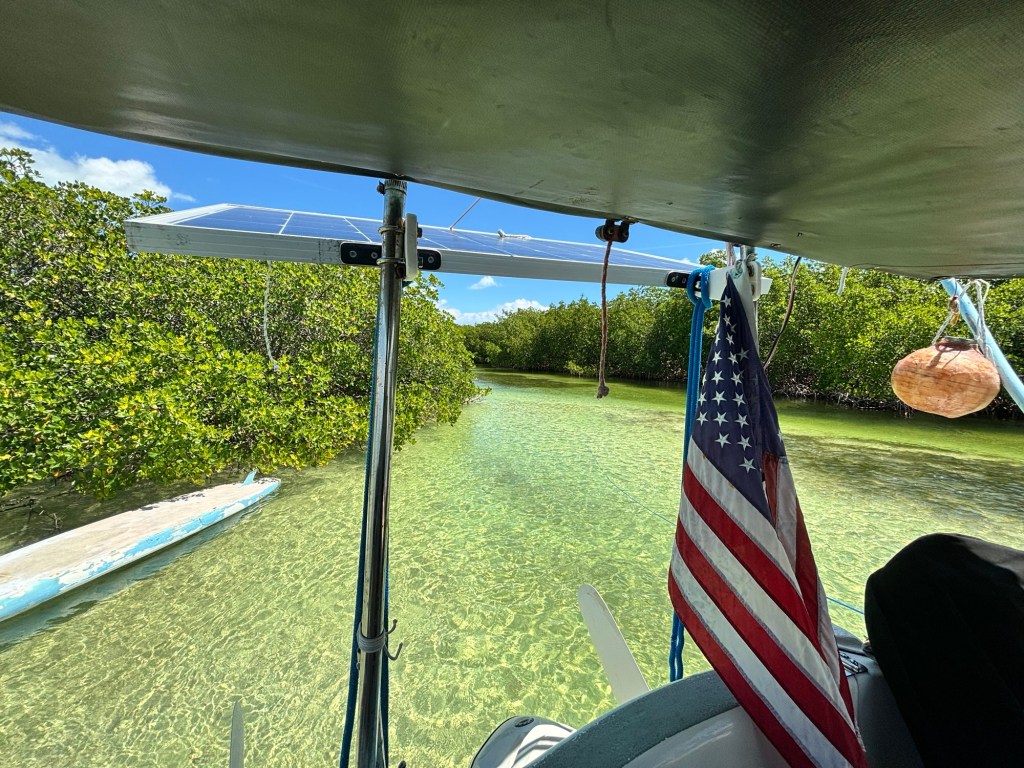
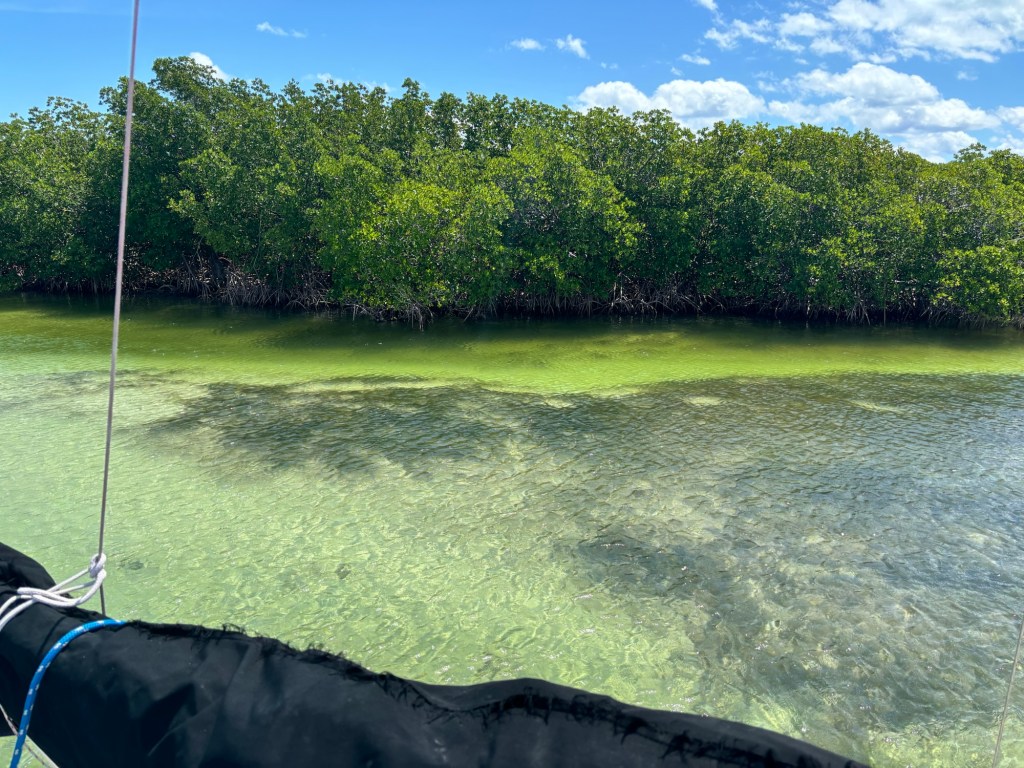
Water clarity: improved due to cold which causes algae decreases. Minor seagrass die-off.
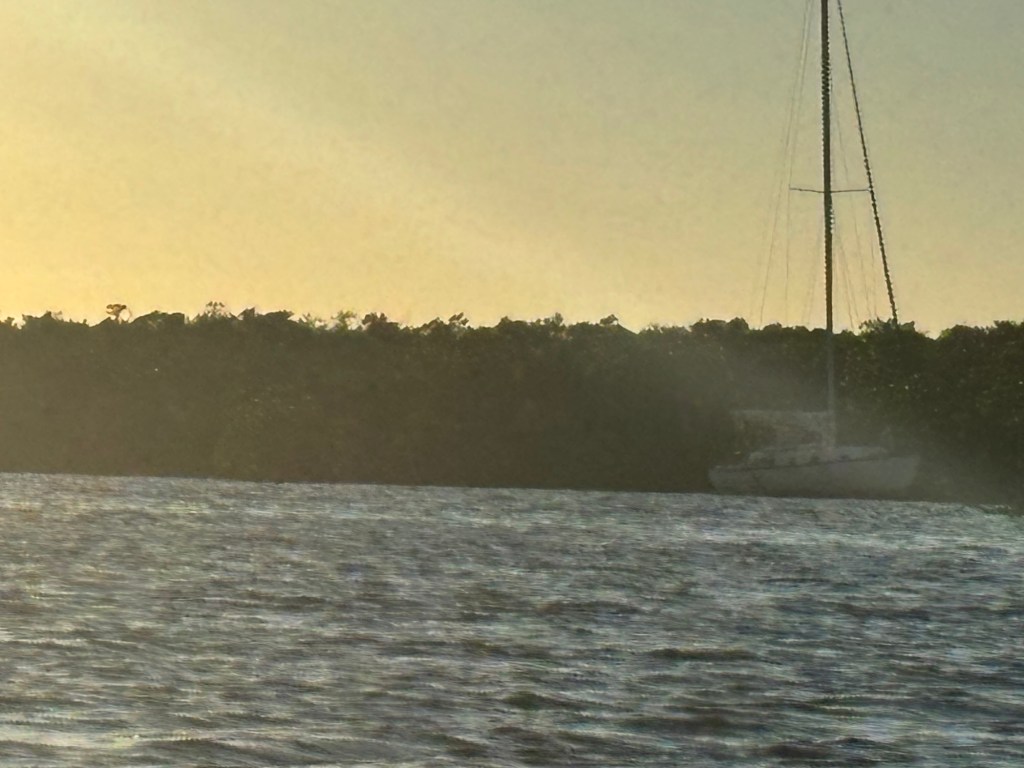
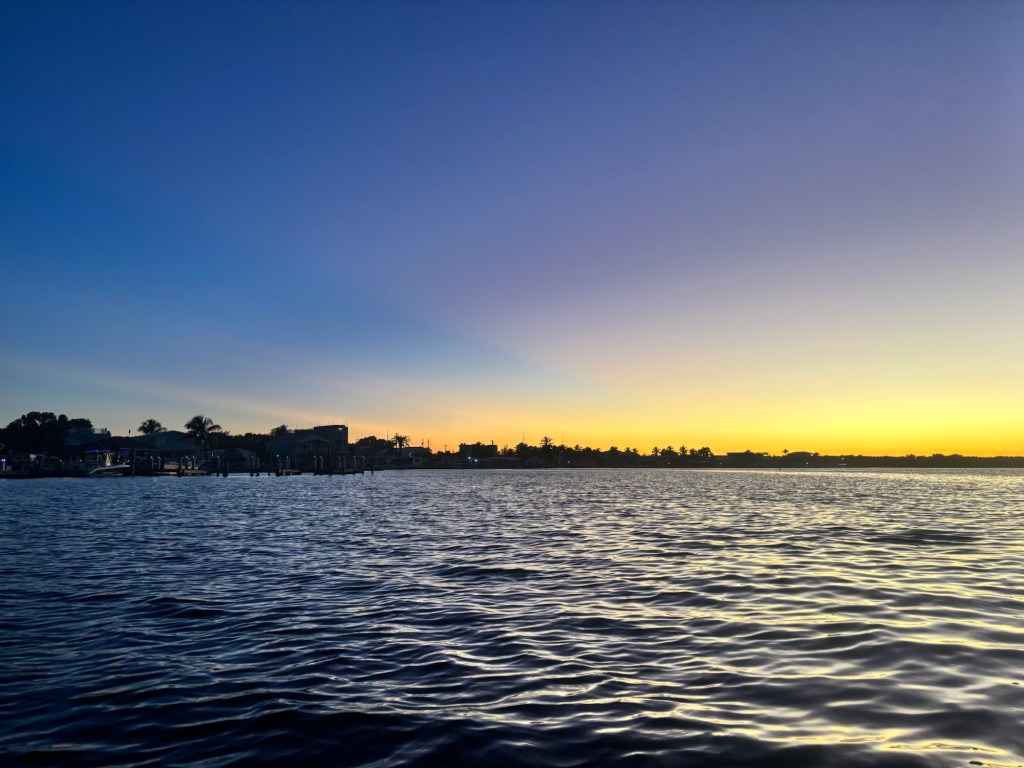
Air quality: Clear, normal clouds and coloring. Sunsets typical. Dry.

 Shoals Marine Research Lab