Shoals Marine Research Lab

Documenting and monitoring climate change and other ecological stressors in Florida Bay.

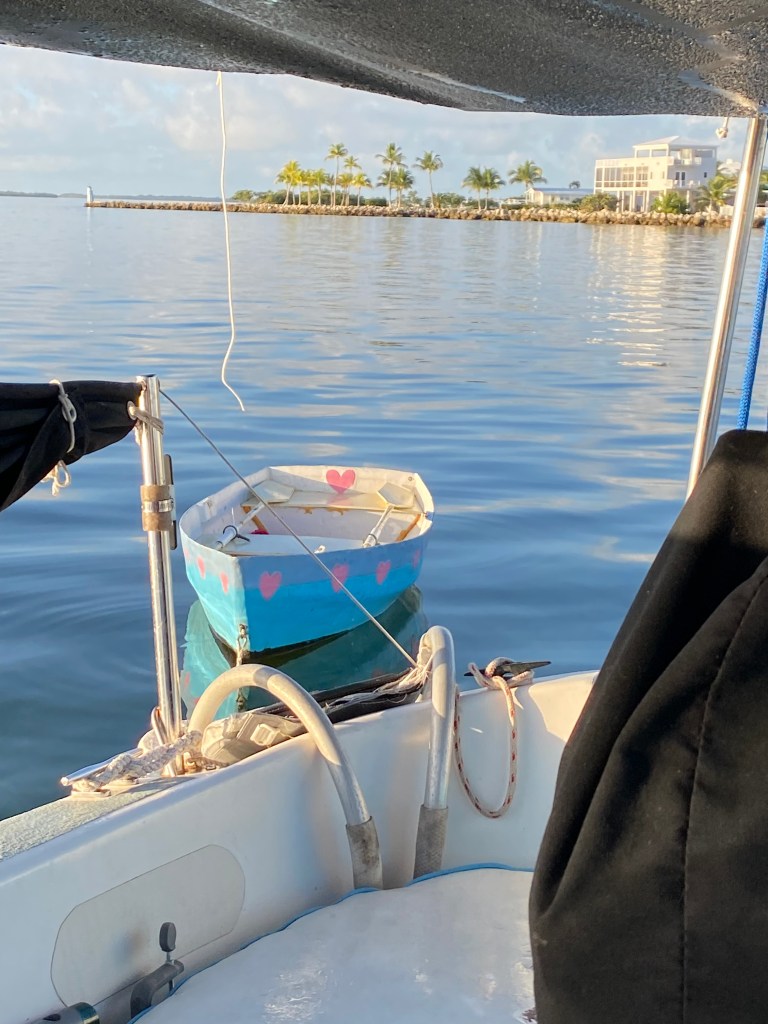
  • This afternoon we took the dinghy across Tarpon Basin to check for manatees. This shallow lagoon is popular with the sea mammals, especially in the cold season. We also look for and collect plastic debris if seen, during these forays. Getting the dinghy ready we had a surprise when a large wood rat jumped out of the sail as it was unfurled. Some minor damage to sail was noted.

    Weather: Mild, clear, unusually warm, 79 F

    Water, clarity fair, 78 F

    Winds, S 7 knots
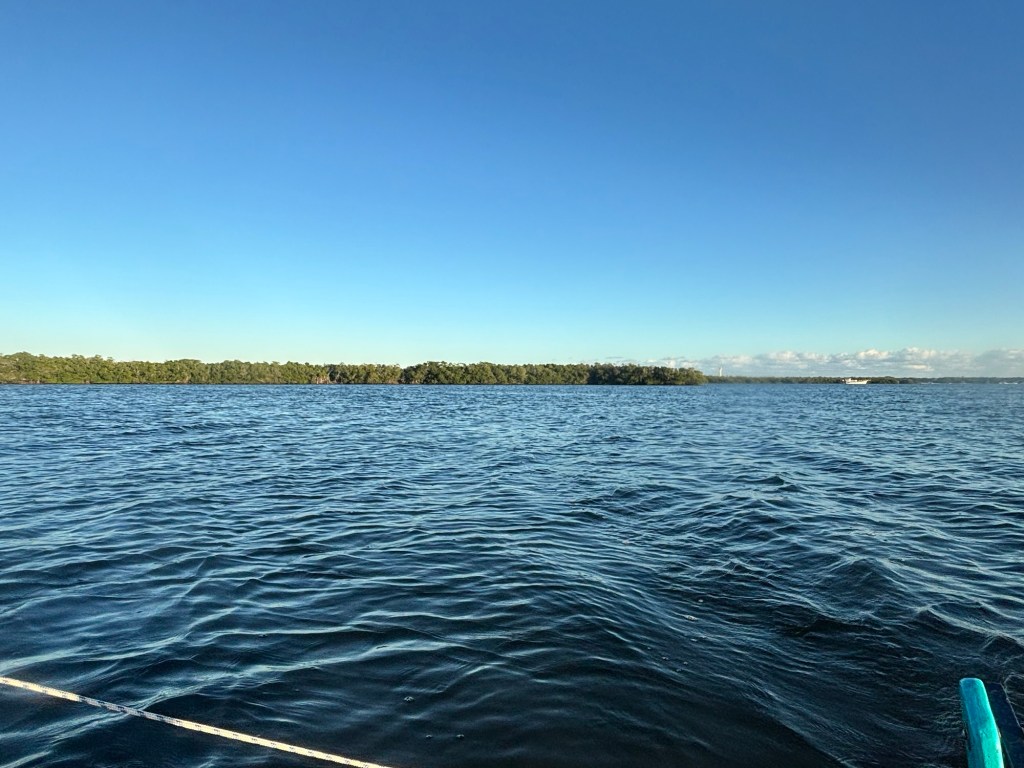
    Looking towards the East

    Underway in light winds
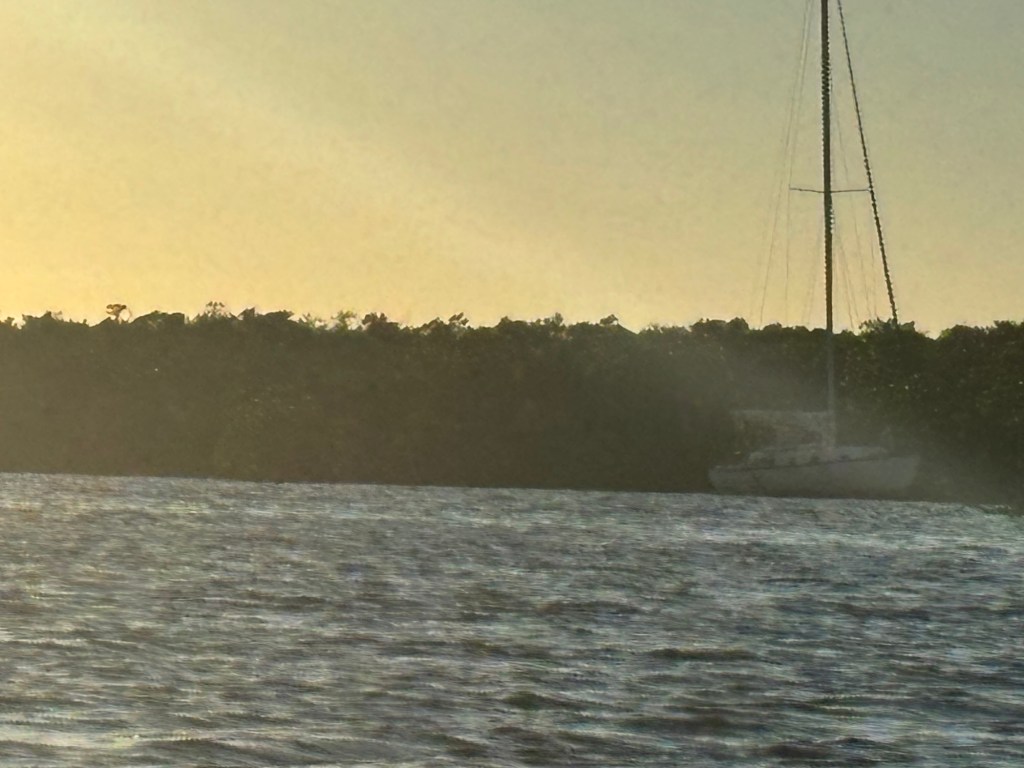
    Abandoned yacht

    We saw no manatees on the trip across the lagoon. Abandoned yacht is still present and intact. Nothing else noteworthy.
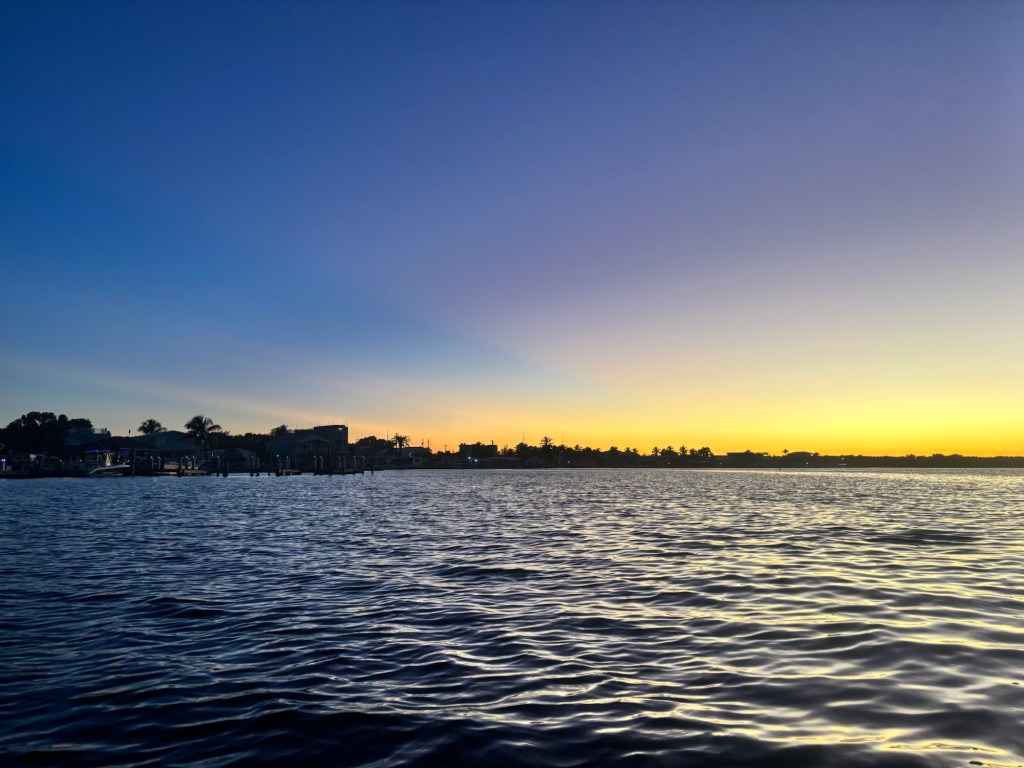
    Looking towards the West just after sunset

    On the return trip, while closing the shore around sunset, we did see one manatee snout pop up to take a breath, only a few yards from our boat. Sailing is very quiet. No splashing, or engine sounds to annoy the owner of the snout. We returned to our mangrove berth after dark. Noted that the flashing marker light for the dinghy still works. Hopefully our SWRV will be back in service soon.
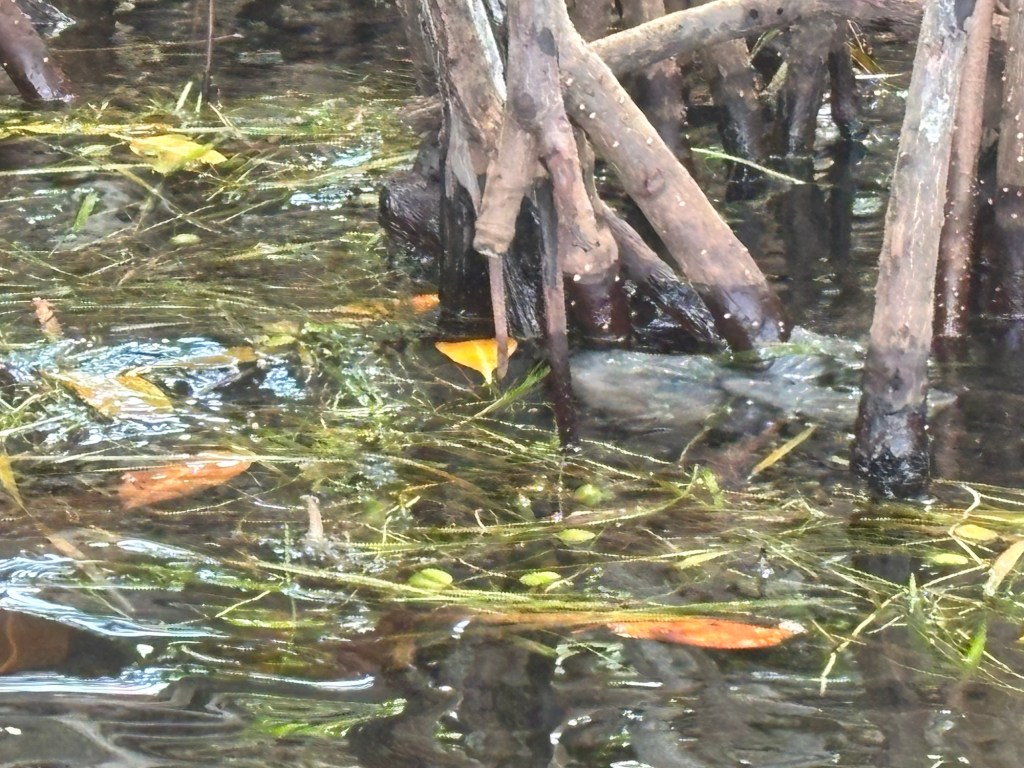
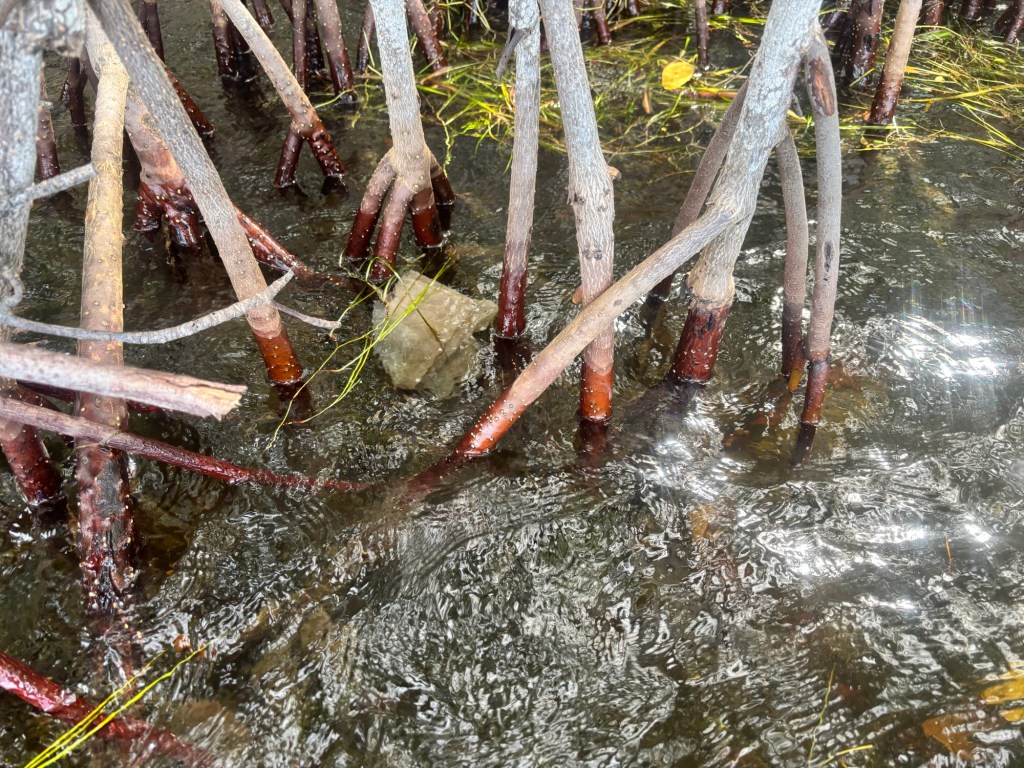
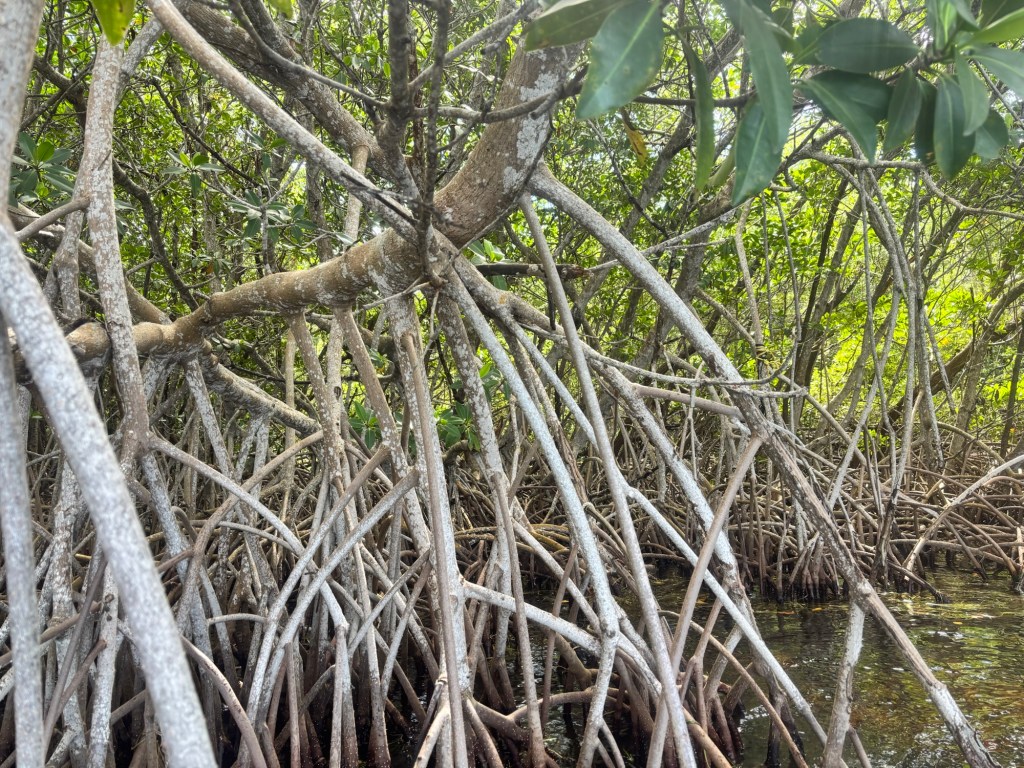
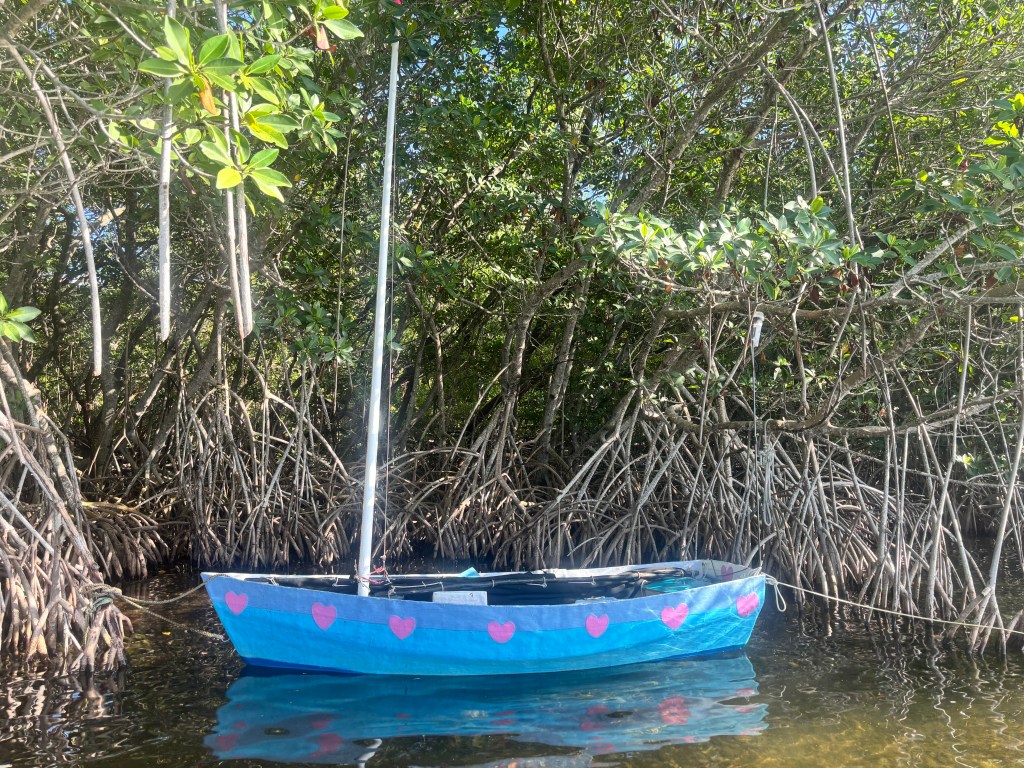
  • Mangrove root environment

    Plastic from human activity is frequently found, even in the remotest locations. It degrades very slowly and forms microplastic particles which disperse into the biosphere. These stray bits were dutifully collected and disposed of.

    Mangrove proproots provide shelter for a variety of small marine life, which in turn supports larger species.

    On this outing, we used the dinghy to conduct a survey on an area of mangoves to note which species were present. Glass minnows are a staple here. These greenish, transparent little fish are at the bottom of the food web. Several species of snapper were recorded, mostly Grey Snapper. Interestlingly, a new inhabitant of this ecosystem is the Green Iguana. These creatures are becoming endemic due to climate change and the lower incidence of cold weather which used to kill off any escaped pets each year. Now, they inhabit the mangrove canopy with impunity.

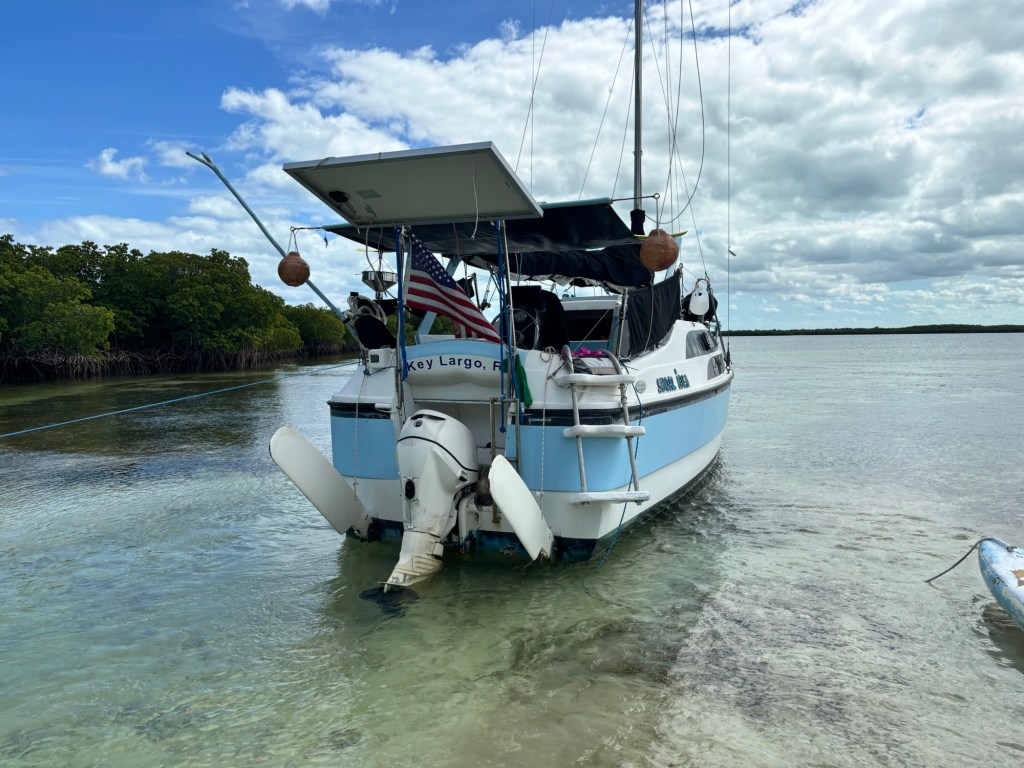
  • Last season we took our SWSV to Elliotts Key in Biscayne Bay to conduct marine life and general ecosystem assessments. We secured the SWSV in this location:

    SWRV in shallow water
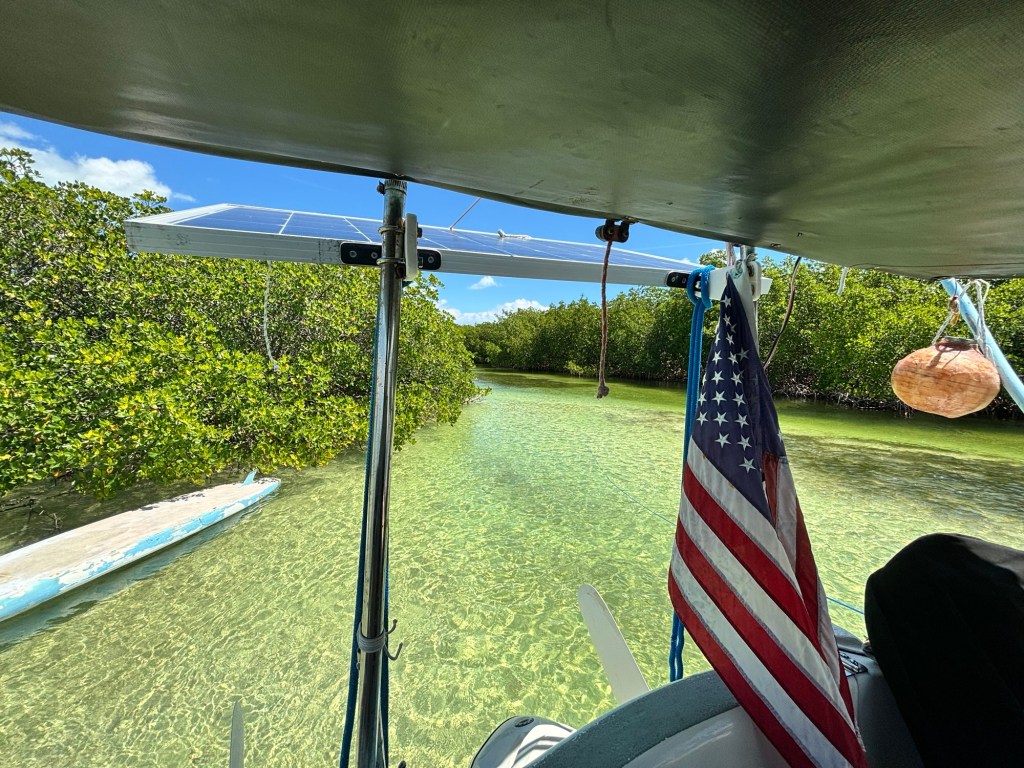
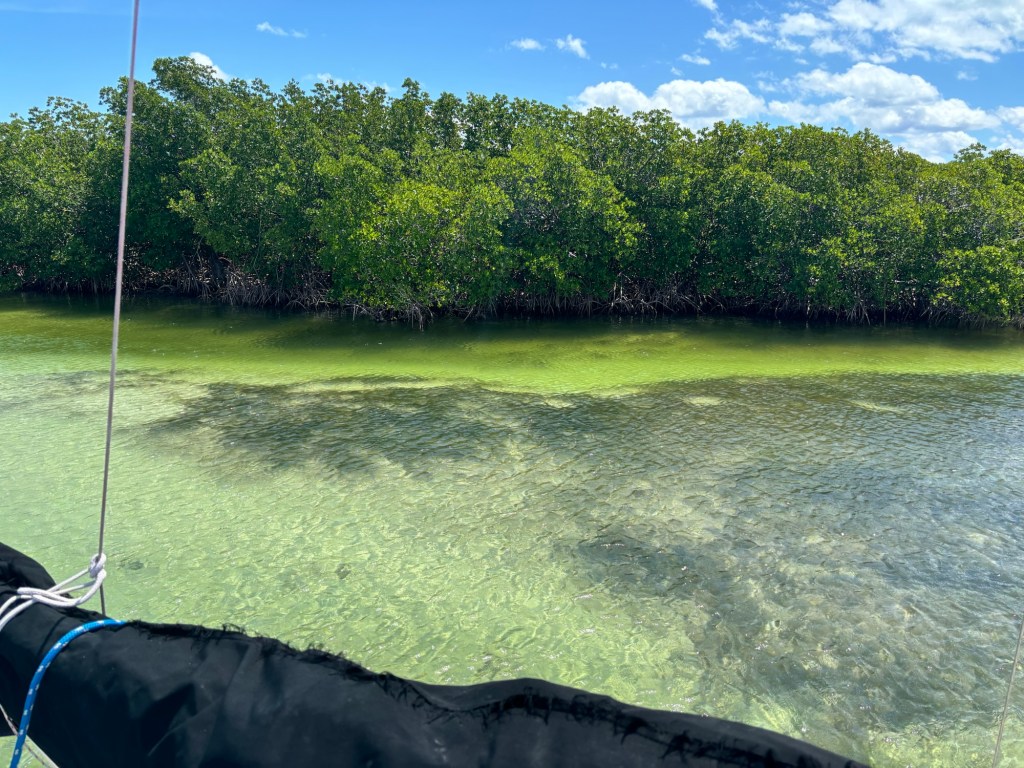
    Tidal creek
    Very healthy seagrass bed

    …And proceeded to spend two days observing the inhabitants.

    Conch-Fully mature Queen Conch, 1, in deeper water. Appeared healthy.

    Shovelhead Shark, 3, in shallow tidal creeks. Appeared healthy.

    Smaller fish, Snapper Sp. not as numerous as we would like, around mangrove roots.

    Larger apex predator fish, none observed in this location.

    Misc. Shell life, crabs, very few.

    Bird life, Several herons.

    The water quality was moderate. Sea grass beds looked acceptable in most places. Concerning was the lack of small shell life on these flats. No juvenile conch were seen.

    Lastly, very little litter or trash, plastic or debris was seen.

    At the start of the third day, we moved the SWRV out of the tidal creek and returned south to Key Largo.

    Approaching Key Largo
  • Our Main research platform has been undergoing an engine refit to replace the aging 2 cycle oil injected Evinrude with a smaller, lighter more modern engine. However, the shop has been shorthanded, and the only mechanic on duty has had a series of illnesses.

    We have equipped the dinghy we built last season with a very functional mast and sail to better monitor the derelict boats abandoned in Tarpon Basin while we wait for the engine to be installed on our SWRV platform.

    Seen here, in her mangove berth, is our smallest research platform. She currently benefits from donated anti-fouling paint, Thank you to our supporters!